8 min read
What Is Body Tempering? A Complete Guide to This Recovery Technique
Body tempering is a soft tissue technique that uses weighted steel rollers to apply sustained compression to muscles. Learn how it works, who it may benefit, and what to expect during a session.

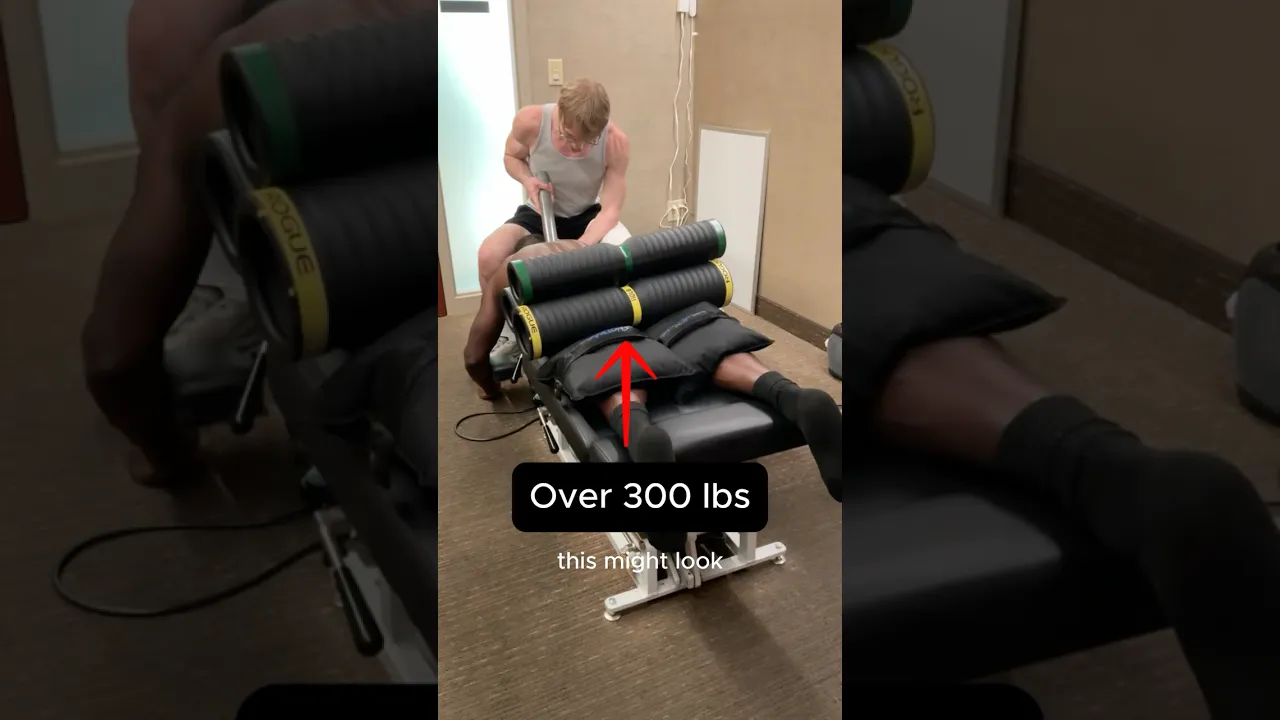
If you’ve seen someone with a heavy steel roller resting on their legs, you may have wondered: “What is body tempering?” Body tempering is a soft tissue technique that uses weighted steel rollers to apply sustained compression to muscles. Originally developed within the strength and powerlifting community, body tempering has grown in popularity among athletes, fitness enthusiasts, and healthcare professionals looking for another approach to improving movement and recovery.
Unlike foam rolling, body tempering is typically performed while the individual remains relaxed as a weighted roller is placed over specific muscle groups for a controlled period of time. In this guide, we’ll explain how body tempering works, what current research tells us about compression-based recovery techniques, who it may benefit, and what you can expect during a session.
How Does Body Tempering Work?
During a body tempering session, a weighted steel roller is carefully positioned over targeted muscle groups. Rather than actively supporting your body weight, you remain as relaxed as possible while the practitioner controls the amount of weight used, the position of the roller, the duration of compression, and your body position throughout the treatment.
The goal is to provide slow, sustained compression while monitoring comfort and movement.
Why Do People Use Body Tempering?
People seek body tempering for many different reasons, including feeling chronically tight after workouts, improving movement before exercise, supporting recovery after training, addressing areas that feel consistently stiff, and preparing for athletic performance. Many individuals report feeling less restricted immediately following a session, although responses vary from person to person.
What Does the Research Say?
Research specifically investigating body tempering is still limited. However, there is a growing body of evidence supporting compression-based soft tissue techniques and self-myofascial release for temporarily improving range of motion and reducing perceptions of muscle stiffness.
More research is needed to determine exactly how body tempering compares with other recovery methods and which individuals are most likely to benefit. As with many manual therapy approaches, body tempering should be viewed as one tool that may be incorporated into a broader movement and rehabilitation program rather than as a standalone solution.
How Is Body Tempering Different from Foam Rolling?
Although both techniques apply pressure to soft tissue, there are several important differences. With foam rolling, you control the pressure using your own body weight, actively support yourself during treatment, and the amount of pressure changes as your position changes.
With body tempering, pressure comes from the weight of the steel roller, you remain relatively relaxed throughout the session, and the practitioner adjusts positioning and loading based on your comfort and goals. Neither method is inherently better. They simply provide different ways of applying compression to soft tissue.
What Does a Body Tempering Session Feel Like?
One of the biggest misconceptions is that body tempering is supposed to be extremely painful. While the pressure can be intense depending on the weight used and the area being treated, treatment should remain controlled and tolerable.
Most sessions begin with lighter loads before progressing based on your comfort, your experience level, the muscle group being treated, and your treatment goals. Communication throughout the session is important to ensure the amount of pressure remains appropriate.
What Areas Can Be Treated?
Body tempering can be used on many different muscle groups, including the quadriceps, hamstrings, calves, gluteal muscles, hip flexors, adductors, upper back, lats, and shoulders. Treatment is individualized based on your history, examination findings, and goals.
Is Body Tempering Safe?
When performed by someone trained in the technique and after appropriate screening, body tempering is generally well tolerated. However, it may not be appropriate for everyone.
Individuals with certain medical conditions, recent injuries, blood clotting disorders, or other contraindications should be evaluated before treatment. A consultation helps determine whether body tempering is appropriate for your specific situation.
What Can You Expect at Your First Visit?
Your first appointment focuses on understanding your goals and determining whether body tempering is an appropriate fit. During your consultation, we will discuss your symptoms and health history, learn what activities you want to return to or perform more comfortably, perform a movement assessment and examination, and determine whether body tempering is appropriate for your goals.
If appropriate, treatment may begin the same day or be incorporated into a personalized care plan based on your examination findings.
Frequently Asked Questions
Does body tempering hurt?
You should expect firm pressure, but treatment should remain tolerable. The amount of weight and duration are adjusted to your comfort level.
How long does a session take?
Treatment times vary depending on your goals and the areas being addressed. During your consultation, we’ll discuss the recommended approach for your specific situation.
Can body tempering replace stretching?
Not necessarily. Body tempering, stretching, strengthening, and movement training each have different roles. For many people, they work best when combined as part of a comprehensive plan.
Is body tempering only for athletes?
No. While body tempering became popular in strength sports, many active adults and individuals with movement limitations are interested in the technique. Whether it’s appropriate depends on your health history, goals, and examination findings.
Final Thoughts
Body tempering is a compression-based soft tissue technique designed to help people move and recover more comfortably. Although research specifically on body tempering is still emerging, many people incorporate it into their recovery routines alongside strength training, mobility work, and other evidence-informed approaches.
The best way to determine whether body tempering is appropriate for you is through an evaluation that considers your goals, movement, and overall health — not simply where you feel tight or sore.
If you’re interested in learning whether body tempering may be a good fit for your recovery or performance goals, schedule a consultation to discuss your history, complete an examination, and develop a personalized plan.
Have a question about whether this applies to you?
Request consultation